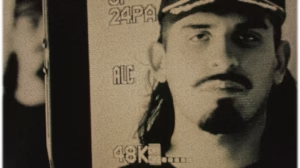
Every so often a record arrives that feels like a turning point not only for the artist but for the genre surrounding them. Arlie’s Someone You Can Believe In lands with that kind of significance. It is intimate yet theatrical, spiritual yet grounded, playful yet deeply serious. The album resists easy categorization and in doing so it hints at a new model for independent music.
At its core the record tells a story. Banks builds this world through fully produced dialogue chapters that stand alongside the songs as narrative pillars. They introduce a magical realist atmosphere where emotional truth matters as much as literal sequence. Within this world he confronts the quiet ache of divine silence, the confusion of lost love, and the gradual return to self trust after years of doubt.
The album threads these themes through a production style that harkens back to Arlie’s earliest days. Listeners familiar with his first releases will recognize the handmade textures and melodic instincts that made songs like “big fat mouth” resonate. Banks returns to his original instruments, his layering approach, and the late night editing rituals that defined his first burst of creativity. The return is not backward looking. Instead it reflects a deliberate decision to strip away excess and focus on the essentials that once felt natural.
The story behind “is it okay if i love you” captures the spirit of the album. Banks had been without his laptop for a year after it was stolen. During that time he wrote primarily by hand and rediscovered the tactile pleasure of playing guitar and keyboard. When he eventually replaced the laptop he approached recording with a sense of urgency and joy. Without his usual plugins he created the track within two concentrated days. The song originated as a birthday gift for someone he loved. That emotional immediacy shapes its melodic warmth and gently nostalgic tone.
As the album unfolds biblical imagery becomes a recurring thread. Banks uses this language to express longing rather than doctrine. These references create a sense of spiritual shadow hovering over the emotional events of each song. They position the narrative not within any particular faith tradition but within a broader human experience of seeking guidance and meaning.
The narrative chapter featuring the child who misgenders Arlie stands out as one of the album’s emotional high points. Instead of reacting with anger or correction Arlie shifts the moment into music. He sings. This response refocuses the scene on curiosity, compassion, and the power of quiet creation. It reveals a central theme of the album. Sometimes the clearest path out of shame and misunderstanding is simply to return to one’s own voice.
Banks has spoken about the challenges he faced within the major label system. Those pressures led him to question his perception and doubt his instincts. His eventual exit from the label gave him room to rediscover the creative process that originally brought him joy. Someone You Can Believe In feels like the culmination of that rediscovery. It pulses with clarity, intention, and renewed devotion to art itself.
This is an album meant to be lived with rather than skimmed. Its narrative structure encourages full listens. Its melodic craft rewards repeated attention. Arlie has created a record that values depth over ease and sincerity over spectacle. The result is one of the most compelling indie projects of the year.
Discover more from Indie Music Discovery
Subscribe to get the latest posts sent to your email.